How to Say No in German: Nein and 15+ Polite Alternatives
By LangPodTools Team, Language Learning Content Specialist

Knowing how to say no in German is one of the most practical skills you can learn. Whether you're turning down a second helping at dinner, declining an invitation, or setting a firm boundary at work, the right word makes all the difference.
In this guide, you'll learn nein and 15+ alternatives — from casual slang to formal refusals — with pronunciation tips, example sentences, and cultural context.
The Basic "No": Nein
Nein (pronounced: nine) is the standard German word for "no." It's direct, clear, and perfectly polite in most everyday situations.
- Nein, das stimmt nicht. — No, that's not right.
- Nein, ich kann heute nicht. — No, I can't today.
Study Tip: "Nein" rhymes with the English word fine but with an "n" at the start. Practice it out loud: nine. Nail that vowel sound and you'll be understood immediately.
One thing to know: German culture tends to be more direct than English-speaking cultures. Saying nein without softening it is not rude — it's honest. Germans generally appreciate clarity over vague non-answers.
Polite Ways to Say No
When you want to refuse something graciously, these phrases add warmth without being evasive.
Nein, danke — "No, thank you." The most common polite refusal. Use it when someone offers food, a drink, or help you don't need.
- Möchtest du Kuchen? — Would you like cake?
- Nein, danke! — No, thank you!
Leider nicht — "Unfortunately not." This phrase shows genuine regret, making it ideal for declining invitations or requests you wish you could accept.
- Kommst du zur Party? — Are you coming to the party?
- Leider nicht, ich arbeite. — Unfortunately not, I'm working.
Lieber nicht — "I'd rather not." Softer than a flat no, this signals reluctance without explaining yourself. Use it with friends or in relaxed settings.
Study Tip: Pair leider nicht with a brief reason and you'll sound naturally fluent. Germans appreciate brief honesty — one sentence is enough.
Stronger Refusals
Sometimes you need to make your "no" absolutely clear. These phrases leave no room for misinterpretation.
Auf keinen Fall — "No way" / "Absolutely not." This is strong but not aggressive. Common in everyday speech when something is genuinely out of the question.
- Kannst du am Wochenende arbeiten? — Can you work on the weekend?
- Auf keinen Fall. — Absolutely not.
Niemals — "Never." Use this for emphatic permanent refusals. It's the German equivalent of "I'll never do that."
Keineswegs — "By no means" / "Not at all." This is more formal and sounds educated. You'll hear it in professional or written contexts.
- Haben Sie das getan? — Did you do that?
- Keineswegs. — By no means.
Casual and Slang Alternatives
In informal speech, Germans rarely say a full nein. These shortened forms are everywhere in daily conversation.
Nö — A relaxed, casual "nah" or "nope." Very common among friends and family. Think of it as the German equivalent of a shrug.
Nee — Another colloquial "no," common in northern and central Germany. Sounds friendlier and less blunt than nein.
Ach wo — Literally "oh where" but means "of course not" or "no way." It carries a tone of mild disbelief or dismissal, like "come on, really?"
- Bist du müde? — Are you tired?
- Ach wo, mir geht's super. — Of course not, I'm great.
Study Tip: Regional variation is real in German. Nee is northern; in Bavaria you're more likely to hear Na or Naa. Listen to native speakers from different regions on our German episodes hub to train your ear.
How to Decline Invitations Politely
Turning down invitations in German follows a simple structure: acknowledgment + nein/leider + brief reason + (optional warm close).
Here are three ready-to-use templates:
- Formal: Vielen Dank für die Einladung, leider kann ich leider nicht teilnehmen. — Thank you very much for the invitation, unfortunately I cannot attend.
- Neutral: Das klingt toll, aber ich habe leider schon etwas vor. — That sounds great, but unfortunately I already have plans.
- Casual: Ich würde gerne, aber ich kann leider nicht. Ein anderes Mal? — I'd love to, but I can't unfortunately. Another time?
The key phrase is ich habe schon etwas vor — "I already have something planned." It's vague enough to use in any situation without over-explaining.
Nicht vs. Kein — A Quick Grammar Note
When negating in German, learners often confuse nicht and kein. Both translate to "not" or "no," but they work differently.
Nicht negates verbs, adjectives, and adverbs:
- Ich schlafe nicht. — I'm not sleeping.
Kein negates nouns (it's the negative form of "ein"):
- Ich habe kein Geld. — I have no money.
This is one of the most common mistakes beginners make. For a deeper dive into how German grammar rules affect negation, see our guide on German cases explained and German word order rules.
Complete Table: 15+ Ways to Say No in German
| German Phrase | English Meaning | Formality | Example |
|---|---|---|---|
| Nein | No | Neutral | Nein, das geht nicht. |
| Nein, danke | No, thank you | Polite | Nein, danke, ich bin satt. |
| Leider nicht | Unfortunately not | Polite | Leider nicht, ich bin beschäftigt. |
| Lieber nicht | I'd rather not | Soft/Casual | Lieber nicht, das ist mir zu viel. |
| Auf keinen Fall | No way / Absolutely not | Emphatic | Auf keinen Fall komme ich mit. |
| Niemals | Never | Emphatic | Das werde ich niemals tun. |
| Keineswegs | By no means | Formal | Keineswegs bin ich einverstanden. |
| Nö | Nah / Nope | Very casual | Nö, ich hab keine Lust. |
| Nee | Nah (northern slang) | Very casual | Nee, das passt mir nicht. |
| Ach wo | Of course not / No way | Dismissive | Ach wo, das war kein Problem. |
| Ich kann nicht | I can't | Neutral | Ich kann heute leider nicht. |
| Das geht nicht | That won't work | Neutral | Das geht leider nicht. |
| Das ist nicht möglich | That's not possible | Formal | Das ist leider nicht möglich. |
| Ich bin dagegen | I'm against it | Formal | Ich bin dagegen, das zu tun. |
| Ich möchte nicht | I don't want to | Polite | Ich möchte das lieber nicht machen. |
| Kommt nicht in Frage | Out of the question | Strong | Das kommt überhaupt nicht in Frage. |
Common Mistakes to Avoid
Mistake 1: Saying "nicht" when you mean "kein" Learners often say Ich habe nicht Geld instead of the correct Ich habe kein Geld. Remember: kein replaces the article before a noun.
Mistake 2: Over-apologizing English speakers tend to pile on softeners: "I'm so sorry, I really can't, I feel terrible..." In German, this can sound odd. One clear, brief phrase like leider nicht with a short reason is enough — and more natural.
Mistake 3: Using "nein" too formally with friends With close friends, nö or nee sounds much more natural than a stiff nein. Read the social context and match the register.
Study Tip: Build sentences with these phrases using our flashcard tool — add the phrase on one side and the English meaning plus an example on the other. Spaced repetition makes them stick fast.
Cultural Context: Germans and Directness
German communication style is often described as low-context — meaning people say what they mean, directly. A clear nein is not considered impolite; it's considered respectful of the other person's time.
Unlike some cultures where a soft "maybe" or "we'll see" is used to avoid saying no, Germans prefer transparent communication. This is well documented by cross-cultural researchers, including in resources from the Goethe-Institut, Germany's official cultural and language institute.
As a learner, this is good news: you don't need elaborate workarounds. Master a few polite phrases and use them with confidence.
For more real-world German in context, DW Learn German offers free listening resources where you'll hear these words used naturally by native speakers.
Practice These Phrases
The fastest way to internalize these words is active practice, not passive reading. Try these approaches:
- Use our verb conjugation tool to explore modal verbs like können and wollen that pair naturally with refusals.
- Listen to German conversations on our podcast episodes page and notice when and how speakers use nein, nee, and leider nicht.
- Read our podcast learning guide for strategies on picking up vocabulary from audio.
If you want a solid grammar foundation for understanding all these negation patterns, our free tools guide lists the best no-cost resources to complement your study.
Want to expand your greetings vocabulary too? Check out our guide on Guten Tag and German greetings to pair your polite refusals with perfect hellos.
Recommended Resource
For a compact, well-organized vocabulary reference you can keep on your desk:
- German Vocabulary Drills by Astrid Moser — A practical drills-based workbook that covers everyday vocabulary including negation, social phrases, and conversation starters. Great for beginner to intermediate learners who prefer a structured, offline resource.
Wrapping Up
Learning how to say no in German goes far beyond memorizing nein. The right phrase — polite, casual, or emphatic — depends on context, relationship, and register.
Start with nein, nein danke, and leider nicht for everyday use. Add nö and nee for casual conversations, and keep auf keinen Fall ready for when you really mean it.
The more German you hear in real contexts, the more natural these phrases become. Head over to our German episodes hub to start listening today.
Frequently Asked Questions
What is the basic word for 'no' in German?▾
How do you politely say no in German?▾
What is the difference between 'nicht' and 'kein' in German negation?▾
How do Germans say 'no way' or 'absolutely not'?▾
What are casual or slang ways to say no in German?▾
Recommended Study Material
The Complete German Grammar Cheat Sheet
A1–B2 Reference PDF
27 pages of color-coded tables, mnemonics, and shortcuts — every rule you need from Cases to Subjunctive.
Recommended German Books

Short Stories in German for Beginners
Olly Richards
Learn German with 8 captivating stories. Perfect for A2-B1 learners who want to build vocabulary naturally.
Check Price on Amazon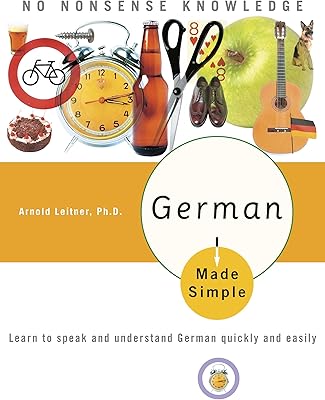
German Made Simple
Eugene Jackson
A complete beginner's guide covering grammar, vocabulary, and conversation essentials.
Check Price on Amazon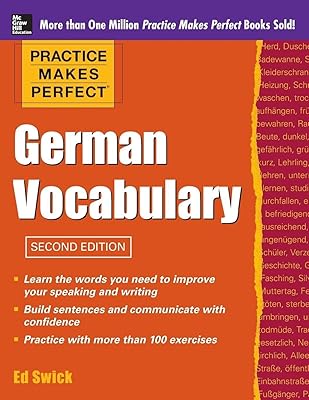
Practice Makes Perfect: German Vocabulary
Ed Swick
Targeted exercises and drills for mastering essential German words and phrases.
Check Price on AmazonAs an Amazon Associate, we earn from qualifying purchases.