German Cases Explained Simply: Der, Die, Das Without the Headache
By LangPodTools Team, Language Learning Content Specialist

German cases trip up almost every learner. But here's the truth: you only need four rules to handle 90% of everyday German. Let's break them down.
What Are German Cases?
German cases tell you who does what in a sentence. They change the articles (der, die, das) and sometimes the noun endings.
The Four Cases at a Glance
| Case | Question | Example |
|---|---|---|
| Nominativ | Who? (Wer?) | Der Hund schläft. |
| Akkusativ | What/Whom? (Wen?) | Ich sehe den Hund. |
| Dativ | To whom? (Wem?) | Ich gebe dem Hund Futter. |
| Genitiv | Whose? (Wessen?) | Das Spielzeug des Hundes. |
Study Tip: Start with Nominativ and Akkusativ only. They cover about 80% of daily conversation.
Nominativ: The Subject
The Nominativ case marks the subject — the person or thing doing the action. The articles stay in their "dictionary form."
- Der Mann liest. (The man reads.)
- Die Frau singt. (The woman sings.)
- Das Kind spielt. (The child plays.)
How to Spot It
Ask "Wer?" (Who?) before the verb. The answer is always Nominativ.
Akkusativ: The Direct Object
The Akkusativ marks what receives the action directly. Only masculine articles change: der becomes den.
- Ich kaufe den Kuchen. (I buy the cake.)
- Sie liest die Zeitung. (She reads the newspaper.)
- Wir sehen das Haus. (We see the house.)
Study Tip: Feminine, neuter, and plural articles stay the same in Akkusativ. Only "der" changes to "den."
Dativ: The Indirect Object
The Dativ marks who benefits from or receives something indirectly.
Dativ Article Changes
- der → dem
- die → der
- das → dem
- die (plural) → den (+ n on noun)
Examples:
- Ich gebe dem Kind ein Buch. (I give the child a book.)
- Sie hilft der Frau. (She helps the woman.)
Conclusion
German cases are simpler than they look. Start with Nominativ and Akkusativ, then add Dativ once you're comfortable. Practice with real podcast episodes on our German page to hear cases in natural conversation.
Frequently Asked Questions
How many cases does German have?▾
Which German case should I learn first?▾
Does 'die' change in Akkusativ?▾
How can podcasts help me learn German cases?▾
Recommended Study Material
The Complete German Grammar Cheat Sheet
A1–B2 Reference PDF
27 pages of color-coded tables, mnemonics, and shortcuts — every rule you need from Cases to Subjunctive.
Recommended German Books

Short Stories in German for Beginners
Olly Richards
Learn German with 8 captivating stories. Perfect for A2-B1 learners who want to build vocabulary naturally.
Check Price on Amazon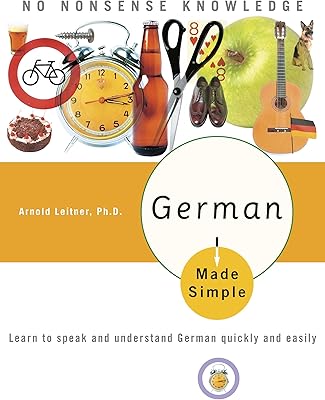
German Made Simple
Eugene Jackson
A complete beginner's guide covering grammar, vocabulary, and conversation essentials.
Check Price on Amazon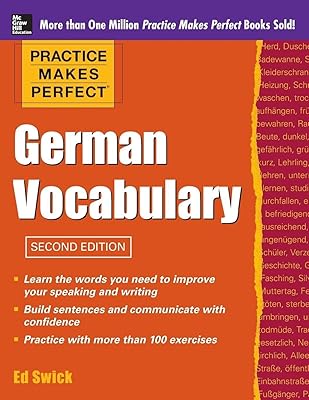
Practice Makes Perfect: German Vocabulary
Ed Swick
Targeted exercises and drills for mastering essential German words and phrases.
Check Price on AmazonAs an Amazon Associate, we earn from qualifying purchases.