Términos alemanes de cariño: apodos dulces y nombres de mascotas
Por Sophie Brennan, Language Learning Content Specialist

This article contains affiliate links. We may earn a small commission at no extra cost to you. Learn more
Germans have a reputation for being direct and businesslike. But behind closed doors, they're some of the most creative nickname-givers in the world.
From Schatz (treasure) to Maus (mouse) to Knuddelbär (cuddle bear), German terms of endearment are surprisingly sweet — and surprisingly common. If you've ever watched a German couple interact, you've almost certainly heard at least one.
The Big One: Schatz and Schatzi
Schatz is the undisputed champion of German pet names. It literally means "treasure" and is used the same way English speakers say "honey" or "sweetheart."
How Schatz Works
You'll hear Schatz between romantic partners, from parents to children, and occasionally between very close friends. It's gender-neutral — anyone can be someone's Schatz.
Add the diminutive suffix -i and you get Schatzi, which sounds even cuter and more playful. Some couples also say Schätzchen (little treasure), using the diminutive -chen ending.
| Term | Literal Meaning | Vibe |
|---|---|---|
| Schatz | Treasure | Standard, warm, everyday |
| Schatzi | Little treasure | Playful, cute |
| Schätzchen | Little treasure | Softer, often for children |
Study Tip: If you only learn one German term of endearment, make it Schatz. You'll hear it in almost every German movie, TV show, and podcast episode that features a couple.
Classic Pet Names for Romantic Partners
Beyond Schatz, Germans have a rich vocabulary of romantic nicknames. These are the ones you'll encounter most often in daily life and in German media.
The Animal Names
Germans love turning animals into terms of affection. The logic: small, cute animals = cute nicknames.
| German | Literal Meaning | English Equivalent | Notes |
|---|---|---|---|
| Maus / Mausi | Mouse / Little mouse | Babe, sweetie | Extremely common, all ages |
| Hase / Hasi | Bunny / Little bunny | Honey bunny | Very popular, cute |
| Bärchen | Little bear | Teddy bear | Often for men, affectionate |
| Spatz / Spatzi | Sparrow / Little sparrow | Darling | Traditional, still widely used |
| Schnecke | Snail | — | Sounds odd in English, normal in German |
| Häschen | Little bunny | Sweetie | Extra-cute version of Hase |
Yes, calling someone a snail is genuinely affectionate in German. Schnecke works because the focus is on the cute, soft image — not the speed.
The Human Qualities
These terms describe what the person means to you rather than comparing them to an animal.
| German | Literal Meaning | English Equivalent | Notes |
|---|---|---|---|
| Liebling | Darling / Favorite | Darling, dear | Gender-neutral, classic |
| Engel | Angel | Angel | Romantic and sincere |
| Süße / Süßer | Sweet one (f/m) | Sweetie | Gender-specific endings |
| Liebste / Liebster | Dearest (f/m) | Dearest, my love | Slightly formal, very romantic |
| Herzchen | Little heart | Sweetheart | Warm, tender |
Süße (for a woman) and Süßer (for a man) are direct and common. You'll hear them casually dropped into sentences: Komm, Süße, wir gehen — "Come on, sweetie, let's go."
Terms of Endearment for Children
German parents have their own set of pet names for kids. Many overlap with romantic terms, but a few are specifically parent-to-child.
Common Ones for Kids
- Schatz / Schatzi — works for everyone, kids included
- Mäuschen — "little mouse," the extra-diminutive form with -chen
- Engelchen — "little angel"
- Liebes — short for liebes Kind (dear child), very common
- Kleines — "little one," gender-neutral
- Sonnenschein — "sunshine"
Sonnenschein is a beautiful compound word (Sonne + Schein = sun + shine). German compound words are one of the language's superpowers — our longest German words guide explores how they work.
Study Tip: Notice the diminutive pattern: Maus → Mäuschen, Engel → Engelchen, Hase → Häschen. The suffix -chen makes any noun smaller and cuter — and always makes it neuter (das). This is one of the most productive patterns in German.
The Diminutive Superpower: -chen and -lein
German has two suffixes that instantly make any word cute and small: -chen and -lein. This is how Germans manufacture new pet names on the fly.
How It Works
Take any noun, add -chen or -lein, and you get the diminutive form. The vowel often gets an umlaut (a → ä, u → ü, o → ö).
| Base Word | Meaning | Diminutive | Result |
|---|---|---|---|
| Bär | Bear | Bärchen | Little bear |
| Maus | Mouse | Mäuschen | Little mouse |
| Herz | Heart | Herzchen | Little heart |
| Stern | Star | Sternchen | Little star |
| Blume | Flower | Blümchen | Little flower |
| Hase | Bunny | Häschen | Little bunny |
-lein works the same way but sounds slightly more old-fashioned or literary: Vöglein (little bird), Büchlein (little book). In everyday speech, -chen dominates.
This pattern connects to the broader topic of German word formation. If you're interested, check out how compound words work in our longest German words article.
Regional Favorites: Bavaria, Austria, and Switzerland
German-speaking regions each have their own affectionate traditions. What sounds normal in Munich might raise eyebrows in Hamburg.
Bavarian and Austrian Terms
| Term | Meaning | Region |
|---|---|---|
| Spatzl / Spatzerl | Little sparrow | Bavaria, Austria |
| Schatzerl | Little treasure | Austria |
| Herzal | Little heart | Austria |
| Busserl | Little kiss | Bavaria, Austria |
| Mauserl | Little mouse | Bavaria, Austria |
Notice the -erl suffix — it's the Bavarian/Austrian version of -chen. Instead of Schätzchen, Austrians say Schatzerl. Same idea, different flavor.
Swiss German Terms
Swiss German has its own diminutive suffix: -li. So Schatz becomes Schätzli, Maus becomes Müsli (yes, like the breakfast cereal — which is actually named after this Swiss German diminutive).
- Schätzli — little treasure
- Müetti — mommy (from Mutter)
- Bärli — little bear
Funny and Unusual German Pet Names
Germans get creative. Some of these sound absurd translated literally, but they're used with complete sincerity.
The Creative Ones
| German | Literal Translation | Actual Vibe |
|---|---|---|
| Schnucki | (no literal meaning) | Cutie, snuggly one |
| Knuddelbär | Cuddle bear | Big cuddly person |
| Pummelchen | Little chubby one | Affectionate, not insulting |
| Schnuckiputzi | (pure nonsense) | Over-the-top cute |
| Honigkuchenpferd | Honey cake horse | Someone grinning widely |
| Zuckerpuppe | Sugar doll | Sweetheart, doll |
| Kuschelmaus | Cuddle mouse | Snuggly person |
| Krümelchen | Little crumb | Tiny, precious |
Schnuckiputzi is the German equivalent of piling on every cute suffix imaginable. It's deliberately over-the-top and usually gets a laugh.
Pummelchen calls someone chubby — but in German, it's genuinely affectionate between partners. Context matters enormously.
When Do Germans Actually Use These?
The stereotype is that Germans are cold and formal. The reality is more nuanced.
Private vs. Public
Germans are generally more affectionate in private than in public. You'll hear Schatz and Maus constantly at home, but couples often dial it back in professional settings.
That said, younger Germans (under 40) use pet names openly with friends and partners. Süße, Liebling, and Schatz are completely normal in casual public conversation.
Friends and Close Circles
Some terms of endearment cross into friendship territory:
- Süße / Süßer — common between close female friends
- Liebes — used warmly among friends, not just romantically
- Maus — female friends often call each other this
- Schatz — occasionally used between very close friends, though primarily romantic
Knowing when to use these terms is part of understanding German culture. For more everyday expressions, see our common German phrases guide.
Study Tip: Listen for pet names in German podcasts — they're a great signal for relationship dynamics between speakers. Visit our German episodes hub and pay attention to how hosts address guests versus friends. It's a free cultural lesson.
Quick Reference: Top 15 German Terms of Endearment
Here's your cheat sheet, ranked roughly by frequency of use:
| Rank | Term | Meaning | Best For |
|---|---|---|---|
| 1 | Schatz | Treasure | Partners, kids |
| 2 | Schatzi | Little treasure | Partners |
| 3 | Liebling | Darling | Partners, kids |
| 4 | Maus / Mausi | Mouse | Partners, friends |
| 5 | Süße / Süßer | Sweetie | Partners, friends |
| 6 | Hase / Hasi | Bunny | Partners |
| 7 | Bärchen | Little bear | Partners |
| 8 | Engel | Angel | Partners, kids |
| 9 | Spatz / Spatzi | Sparrow | Partners, kids |
| 10 | Sonnenschein | Sunshine | Kids, partners |
| 11 | Herzchen | Little heart | Partners, kids |
| 12 | Schnucki | Cutie | Partners |
| 13 | Knuddelbär | Cuddle bear | Partners |
| 14 | Mäuschen | Little mouse | Kids, partners |
| 15 | Schnecke | Snail | Partners |
How to Practice
Learning pet names isn't just vocabulary — it's cultural fluency. Here's how to make them stick:
Step 1 — Learn the top 5. Start with Schatz, Liebling, Maus, Süße/Süßer, and Hase. These cover 90% of real-world usage.
Step 2 — Master the -chen pattern. Practice turning base nouns into diminutives. Use our flashcard tool to drill: Bär → Bärchen, Maus → Mäuschen, Herz → Herzchen.
Step 3 — Listen for them. German podcasts and shows are full of pet names in natural context. Browse our German episodes hub and listen for how native speakers use these terms.
Step 4 — Learn the basics first. Pet names build on essential German words. If you're still building your core vocabulary, start there and come back.
Recommended Resources
- German Vocabulary and Expressions Book — Covers everyday vocabulary including colloquial expressions, pet names, and slang that textbooks skip.
- German Culture and Language Guide — Goes beyond grammar into cultural context — exactly the kind of background that makes pet names and informal language click.
For more vocabulary building, visit our German vocabulary page.
The Takeaway
German terms of endearment reveal a side of the language that textbooks rarely cover: warmth, humor, and creativity. From the universal Schatz to the regional Spatzl to the gloriously absurd Schnuckiputzi, these words show that German is far more affectionate than its reputation suggests.
Start with the top five, learn the -chen diminutive pattern, and listen for pet names in real German content. You'll pick them up faster than you think — and your German will sound a lot more natural.
Preguntas frecuentes
¿Cuál es el término alemán de cariño más común?▾
¿Qué significa Maus como apodo de cariño alemán?▾
¿Cuál es la diferencia entre -chen y -lein en alemán?▾
¿Realmente los alemanes usan apodos de cariño en público?▾
¿Cuáles son algunos apodos de cariño alemanes divertidos?▾
Recommended Study Material
The Complete German Grammar Cheat Sheet
A1–B2 Reference PDF
27 pages of color-coded tables, mnemonics, and shortcuts — every rule you need from Cases to Subjunctive.
Recommended German Books

Short Stories in German for Beginners
Olly Richards
Learn German with 8 captivating stories. Perfect for A2-B1 learners who want to build vocabulary naturally.
Check Price on Amazon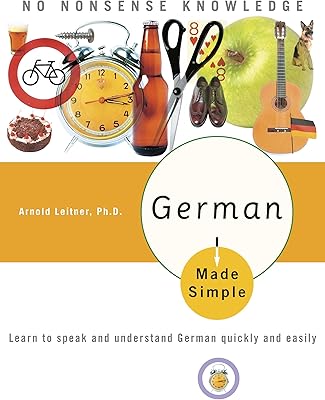
German Made Simple
Eugene Jackson
A complete beginner's guide covering grammar, vocabulary, and conversation essentials.
Check Price on Amazon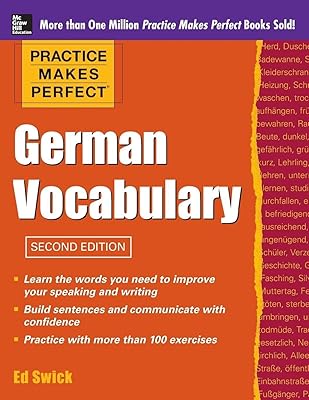
Practice Makes Perfect: German Vocabulary
Ed Swick
Targeted exercises and drills for mastering essential German words and phrases.
Check Price on AmazonAs an Amazon Associate, we earn from qualifying purchases.