How to Say Welcome in German: Willkommen, Herzlich Willkommen & More
By LangPodTools Team, Language Learning Content Specialist

The word "welcome" in German does double duty. Willkommen is what you say when someone arrives. Bitte or Gern geschehen is what you say when someone thanks you. Mixing them up is one of the most common mistakes English speakers make in German.
This guide covers every way to say welcome in German — the greeting, the response to thanks, and the cultural situations where each form matters. By the end you will know exactly which word to reach for in any context.
Willkommen — The Standard Welcome
Willkommen (pronounced: vill-KOM-men) is the direct German equivalent of "welcome" as a greeting. You use it when someone arrives — at your home, at an event, at a business, or in a city.
The word breaks down into will (desire) and kommen (to come), so its literal sense is something like "desired to come" — a lovely way to say "we're glad you're here." It works in both casual and formal settings without any adjustment.
You will see Willkommen on signs at airports, hotels, conference halls, and shop entrances across Germany, Austria, and Switzerland. It is universally understood and never wrong as a greeting of arrival.
Study Tip: Listen for Willkommen at the start of German podcast episodes — hosts often open with it when welcoming listeners. Browse the German episodes hub to hear it used naturally dozens of times.
Herzlich Willkommen — The Warm, Formal Welcome
Herzlich willkommen (pronounced: HERTS-likh vill-KOM-men) means "warmly welcome" or "heartily welcome." The word herzlich comes from Herz (heart), so you are literally giving a "from-the-heart" welcome.
This is the go-to phrase for formal or ceremonial situations. You will hear it at the opening of conferences, business events, official speeches, hotel receptions, and restaurant greetings. It carries more weight and warmth than a simple Willkommen.
| Situation | What You'll Hear |
|---|---|
| Conference opening | Herzlich willkommen zur Konferenz! |
| Hotel check-in | Herzlich willkommen im Hotel Adler! |
| Wedding speech | Herzlich willkommen, liebe Gäste! |
| Restaurant greeting | Herzlich willkommen bei uns! |
If you are giving any kind of speech or presentation in German, Herzlich willkommen is almost always how you open. It signals respect, preparation, and genuine hospitality.
Willkommen in [City/Country] — Welcome To…
Willkommen in + a place name is how Germans say "Welcome to…" a specific location. The preposition in is used for cities, countries, and enclosed spaces.
- Willkommen in Berlin! — Welcome to Berlin!
- Willkommen in Deutschland! — Welcome to Germany!
- Willkommen in der Schweiz! — Welcome to Switzerland! (Note: die Schweiz takes the article, so it becomes in der Schweiz)
- Willkommen in Österreich! — Welcome to Austria!
For buildings, businesses, or events, you may also hear Willkommen bei (welcome at/to):
- Willkommen bei Siemens! — Welcome to Siemens!
- Willkommen bei uns! — Welcome to our place!
The in vs. bei distinction is straightforward. Use in for geographic locations and bei for organizations, people, or abstract hosts.
Study Tip: Practice building your own Willkommen in… sentences with cities you know. Try Willkommen in München, Willkommen in Wien, Willkommen in Zürich — the repetition locks in the pattern fast.
Willkommen Zurück — Welcome Back
Willkommen zurück (pronounced: vill-KOM-men tsoo-RÜCK) means "welcome back." It is used exactly the way you would use "welcome back" in English — when someone returns from a trip, a break, or an absence.
- Willkommen zurück aus dem Urlaub! — Welcome back from vacation!
- Willkommen zurück im Büro! — Welcome back to the office!
- Willkommen zurück, wir haben dich vermisst! — Welcome back, we missed you!
Podcast hosts use this phrase constantly at the start of new seasons or after a break. It creates a warm, familiar feeling for returning listeners.
Willkommen zu Hause — Welcome Home
Willkommen zu Hause (pronounced: vill-KOM-men tsoo HOW-zeh) means "welcome home." This is a personal, intimate phrase — used with family and close friends when someone arrives at the place where they live.
- Willkommen zu Hause, Schatz! — Welcome home, sweetheart!
- Willkommen zu Hause! Wie war die Reise? — Welcome home! How was the trip?
You would not use this in a business context. It carries the emotional warmth of home and belonging — reserved for people who actually share a home or are very close.
The Big Distinction: "Welcome" (Greeting) vs. "You're Welcome" (Response to Thanks)
This is where English speakers stumble most often. In English, "welcome" does two completely different jobs:
- Greeting someone who arrives: "Welcome to our office!"
- Responding to thanks: "Thank you!" → "You're welcome."
In German, these are two entirely different expressions with no overlap:
| English | German | When to Use |
|---|---|---|
| Welcome! (greeting) | Willkommen! | Someone arrives |
| You're welcome (response to thanks) | Bitte! / Gern geschehen! / Keine Ursache! | Someone says Danke |
If someone says Danke (thank you) and you respond with Willkommen, it will sound very strange — like responding to "thanks" with "hello" in English. The correct responses are:
Bitte (BIT-teh) — The most common and simplest response. Literally means "please," but in this context it means "you're welcome." This is the one you will hear most often in daily life.
Gern geschehen (gern geh-SHAY-en) — Literally "gladly happened" or "done with pleasure." This is a polite, slightly more formal way to say "you're welcome." Great for professional situations.
Keine Ursache (KYE-neh OOR-zah-kheh) — Literally "no cause" — meaning "no reason to thank me" or "don't mention it." This is a modest, slightly old-fashioned response that you will still hear regularly.
Kein Problem (kyne pro-BLEM) — "No problem." Casual and modern, widely used among younger speakers. Exactly the same register as "no problem" in English.
Study Tip: To avoid the mix-up, create a simple mental rule: Willkommen = arrival. Bitte / Gern geschehen = response to Danke. Practice with our flashcard tool until the distinction becomes automatic.
Willkommen in Formal Contexts
Business and Professional Settings
In German business culture, the way you welcome someone sets the tone for the entire interaction. A well-delivered Herzlich willkommen at the start of a meeting or presentation signals professionalism and warmth.
Common business welcome phrases:
- Herzlich willkommen zu unserem Meeting. — Welcome to our meeting.
- Willkommen im Team! — Welcome to the team!
- Ich heiße Sie herzlich willkommen. — I warmly welcome you. (Very formal, used in speeches.)
The verb form willkommen heißen (literally "to call someone welcome") is the formal way to say "to welcome" in German. You will encounter it in written invitations, corporate communications, and official speeches.
Signs and Public Spaces
German-speaking countries love welcome signs. You will see them at city limits, building entrances, airports, and train stations:
- Willkommen in Hamburg — Tor zur Welt — Welcome to Hamburg — Gateway to the World
- Herzlich willkommen in unserem Geschäft — Welcome to our shop
- Willkommen! Bitte treten Sie ein. — Welcome! Please come in.
Events and Ceremonies
At weddings, festivals, and official ceremonies, the welcome is often the first words spoken:
- Herzlich willkommen, meine Damen und Herren! — Welcome, ladies and gentlemen!
- Willkommen zum Oktoberfest! — Welcome to Oktoberfest!
- Herzlich willkommen zur Eröffnung! — Welcome to the opening ceremony!
Willkommenskultur — Germany's "Welcoming Culture"
Willkommenskultur (pronounced: vill-KOM-mens-kool-TOOR) is a compound noun that entered mainstream German in the 2010s. It translates literally to "welcoming culture" and refers to a societal attitude of openness and hospitality toward newcomers — whether immigrants, refugees, or international visitors.
The word became especially prominent during the 2015 refugee crisis, when it described the grassroots volunteer efforts across Germany to welcome and support arriving refugees. Today it is used more broadly to describe any institutional or social effort to make newcomers feel welcome — from corporate onboarding programs to city integration initiatives.
This is a great example of how German builds compound nouns: Willkommen (welcome) + s (linking letter) + Kultur (culture) = a single word that captures an entire social concept. Understanding compounds like this is a key skill for reading German. For more on how German builds words, check out our longest German words guide.
Example Dialogues
Here are two short dialogues showing willkommen (greeting) and bitte/gern geschehen (response to thanks) in natural conversation.
Dialogue 1 — Arriving at a friend's home:
Anna: Hallo! Komm rein! Willkommen! (Hello! Come in! Welcome!)
Tom: Danke! Was für eine schöne Wohnung! (Thanks! What a nice apartment!)
Anna: Gern geschehen! Möchtest du etwas trinken? (You're welcome! Would you like something to drink?)
Dialogue 2 — At a hotel reception:
Rezeptionistin: Herzlich willkommen im Hotel Alpenblick! Haben Sie eine Reservierung? (Welcome to Hotel Alpenblick! Do you have a reservation?)
Gast: Ja, auf den Namen Schmidt. Danke für die schnelle Bestätigung per E-Mail! (Yes, under the name Schmidt. Thanks for the quick confirmation by email!)
Rezeptionistin: Bitte, gern geschehen! Hier ist Ihr Schlüssel. (You're welcome! Here is your key.)
Notice how Willkommen is used when the guest arrives, but Bitte, gern geschehen is used when responding to Danke. Two completely different functions.
Quick Reference: Every Way to Say Welcome in German
| German | Pronunciation | English | Context |
|---|---|---|---|
| Willkommen | vill-KOM-men | Welcome | General greeting on arrival |
| Herzlich willkommen | HERTS-likh vill-KOM-men | Warmly welcome | Formal events, speeches, business |
| Willkommen in… | vill-KOM-men in… | Welcome to [place] | Cities, countries |
| Willkommen bei… | vill-KOM-men bye… | Welcome to [organization] | Companies, hosts |
| Willkommen zurück | vill-KOM-men tsoo-RÜCK | Welcome back | Returning from absence |
| Willkommen zu Hause | vill-KOM-men tsoo HOW-zeh | Welcome home | Family, close friends |
| Bitte | BIT-teh | You're welcome | Response to Danke (most common) |
| Gern geschehen | gern geh-SHAY-en | You're welcome (gladly) | Polite, slightly formal |
| Keine Ursache | KYE-neh OOR-zah-kheh | Don't mention it | Modest, slightly formal |
| Kein Problem | kyne pro-BLEM | No problem | Casual, modern |
Common Mistakes to Avoid
Saying Willkommen when someone says Danke. This is the number one mistake. Willkommen is a greeting, not a response to thanks. When someone thanks you, say Bitte or Gern geschehen.
Forgetting the preposition after Willkommen. It is Willkommen in Berlin (not Willkommen Berlin). The preposition in is required for places. For organizations, use bei.
Using Willkommen as an adjective without adjusting. In German, you can say Du bist willkommen (You are welcome), and here willkommen functions as an adjective. But this is different from the English "You're welcome" after thanks — for that, always use Bitte or Gern geschehen.
How to Practice
Listen to German podcasts. Hosts say Willkommen and Herzlich willkommen at the start of nearly every episode. Hearing it repeatedly in natural speech builds automatic recognition. Start with the German episodes hub.
Drill the distinction. Use our flashcard tool to quiz yourself on Willkommen (greeting) vs. Bitte/Gern geschehen (response to thanks) until the right word comes instantly.
Build sentences. Practice Willkommen in… with different cities and countries. Then practice Willkommen bei… with companies or people's homes. The more combinations you build, the more natural the pattern becomes.
Expand your greetings. Once Willkommen is solid, explore more ways to greet people in German. Our hello in German guide covers every greeting from Hallo to Moin to Servus, and the Guten Tag meaning guide dives deep into Germany's most important formal greeting.
Recommended German Learning Resources
If you want a structured reference to keep alongside your podcast listening:
- German Phrasebook & Dictionary for Beginners and Travelers — organized by situation, with dedicated sections on greetings, polite responses, and travel essentials.
- German Short Stories for Beginners — engaging stories at A1-A2 level with vocabulary lists and grammar explanations built into the narrative.
For free authoritative resources, Deutsche Welle's German course and the Goethe-Institut's online exercises are both excellent. The dict.cc German-English dictionary is invaluable for looking up individual words and their usage examples.
Wrapping Up
Willkommen is for arrivals. Bitte and Gern geschehen are for responding to thanks. Keep that distinction sharp and you will never make the most common "welcome" mistake in German.
Start with Willkommen and Herzlich willkommen — they cover the vast majority of situations where you need to welcome someone. Add Willkommen zurück and Willkommen zu Hause once those feel natural.
For more essential German phrases, explore our common German phrases guide and how are you in German guide. And the fastest way to make all of these stick? Hear them used by native speakers — start with the German episodes hub.
Frequently Asked Questions
How do you say welcome in German?▾
What is the difference between Willkommen and Bitte in German?▾
How do you say you're welcome in German after someone says thank you?▾
What does Herzlich willkommen mean?▾
What is Willkommenskultur in Germany?▾
Recommended Study Material
The Complete German Grammar Cheat Sheet
A1–B2 Reference PDF
27 pages of color-coded tables, mnemonics, and shortcuts — every rule you need from Cases to Subjunctive.
Recommended German Books

Short Stories in German for Beginners
Olly Richards
Learn German with 8 captivating stories. Perfect for A2-B1 learners who want to build vocabulary naturally.
Check Price on Amazon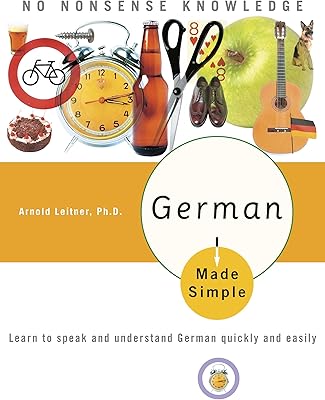
German Made Simple
Eugene Jackson
A complete beginner's guide covering grammar, vocabulary, and conversation essentials.
Check Price on Amazon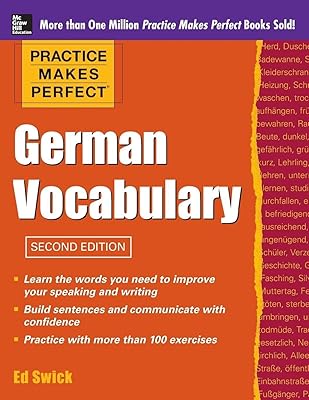
Practice Makes Perfect: German Vocabulary
Ed Swick
Targeted exercises and drills for mastering essential German words and phrases.
Check Price on AmazonAs an Amazon Associate, we earn from qualifying purchases.