15 German Rock Bands Every Music Fan Should Know
By LangPodTools Team, Language Learning Content Specialist

German rock music is far more than Rammstein — though Rammstein certainly deserves their spot at the top. From the experimental Krautrock of the 1970s to the industrial metal of the 2000s, Germany has produced some of the most innovative and influential rock bands in the world.
This guide covers 15 essential German rock bands, their must-hear albums, and how listening to German rock can accelerate your language learning. Whether you are a metalhead or a classic rock fan, there is a German band waiting to become your new favorite.
1. Rammstein
Genre: Neue Deutsche Härte (New German Hardness) / Industrial Metal Active: 1994–present Key Albums: Mutter (2001), Reise, Reise (2004), Untitled (2019)
Rammstein is the biggest German rock band in the world. Their blend of crushing guitar riffs, electronic elements, and explosive live shows has filled stadiums across every continent. Lead singer Till Lindemann sings exclusively in German, which is rare for a band of their international stature.
Their music is perfect for German learners because Lindemann's pronunciation is extremely clear and deliberate. Songs like "Du Hast" (You Have), "Sonne" (Sun), and "Deutschland" (Germany) use simple, repetitive vocabulary that sticks in your head.
For a deep dive into one of their most famous songs, check our analysis of Rammstein's Sonne lyrics.
Study Tip: Rammstein's lyrics are available on their official website. Read along while listening. Till Lindemann's sharp consonants and rolled R's are excellent pronunciation models for the harder sounds in German.
2. Scorpions
Genre: Hard Rock / Heavy Metal Active: 1965–present Key Albums: Blackout (1982), Love at First Sting (1984), Crazy World (1990)
The Scorpions from Hanover are Germany's most internationally successful rock band by record sales. Their power ballad "Wind of Change" became the unofficial anthem of the fall of the Berlin Wall and the end of the Cold War.
Unlike most bands on this list, the Scorpions sing primarily in English. However, their story is deeply German — they emerged from the postwar rock scene and carried German music to global audiences. They have sold over 100 million records worldwide.
3. Kraftwerk
Genre: Electronic / Krautrock Active: 1970–present Key Albums: Autobahn (1974), The Man-Machine (1978), Computer World (1981)
Kraftwerk ("Power Plant") from Düsseldorf invented electronic music as we know it. Their influence on synth-pop, techno, hip-hop, and EDM is immeasurable. Without Kraftwerk, there would be no Depeche Mode, no Daft Punk, no Detroit techno.
Their album Autobahn features a 22-minute title track that captures the experience of driving on the German highway. The robotic vocals and repetitive structures make their German-language songs surprisingly easy to follow for learners.
4. Die Toten Hosen
Genre: Punk Rock Active: 1982–present Key Albums: Ein kleines bisschen Horrorshow (1988), Opium fürs Volk (1996), Ballast der Republik (2012)
Die Toten Hosen ("The Dead Trousers") from Düsseldorf are one of Germany's most beloved punk bands. They sing entirely in German with energetic, straightforward lyrics that are great for intermediate learners.
Their song "Tage wie diese" (Days Like These) became a massive hit and unofficial German sports anthem. The vocabulary is everyday German — no obscure poetry, just direct, emotional language.
Why They Are Great for Learners
- Lyrics are in clear, modern, everyday German
- Campino (lead singer) enunciates well
- Topics cover friendship, politics, and everyday life
- Widely available with German lyrics and translations
5. Die Ärzte
Genre: Punk Rock / Alternative Active: 1982–present Key Albums: Die Bestie in Menschengestalt (1993), 13 (1998), Jazz ist anders (2007)
Die Ärzte ("The Doctors") from Berlin call themselves "die beste Band der Welt" (the best band in the world) — with tongue firmly in cheek. They are Germany's other great punk band alongside Die Toten Hosen, and the friendly rivalry between the two is a cultural institution.
Their lyrics are often humorous, satirical, and playful with the German language. Songs range from silly ("Schrei nach Liebe" — Scream for Love) to politically sharp. This variety makes them excellent listening practice for learners who want exposure to informal, witty German.
Study Tip: Die Ärzte and Die Toten Hosen both sing in clear, everyday German. Pick one band, learn five of their songs by heart, and you will absorb grammar patterns, vocabulary, and natural phrasing without even trying. Music is one of the most effective language learning tools.
6. Tokio Hotel
Genre: Alternative Rock / Pop Rock Active: 2001–present Key Albums: Schrei (2005), Zimmer 483 (2007), Humanoid (2009)
Tokio Hotel from Magdeburg became a global phenomenon in the mid-2000s, especially with teenagers. Their debut album Schrei (Scream) and the single "Durch den Monsun" (Through the Monsoon) sold millions worldwide.
Their early albums are entirely in German with clear, emotional lyrics at a moderate pace — ideal for A2-B1 learners. Later albums switched to English as the band pursued international markets.
7. Can
Genre: Krautrock / Experimental Active: 1968–1979 Key Albums: Tago Mago (1971), Ege Bamyasi (1972), Future Days (1973)
Can from Cologne are Krautrock royalty. Their hypnotic, rhythm-driven experimental music influenced everyone from Radiohead to Portishead to LCD Soundsystem. The band featured Japanese vocalist Damo Suzuki, making them one of the most international acts in German rock history.
While Can's vocals are often in English or abstract/multilingual, their legacy is essential to understanding Germany's contribution to rock music.
8. Tangerine Dream
Genre: Electronic / Krautrock Active: 1967–present Key Albums: Phaedra (1974), Rubycon (1975), Exit (1981)
Tangerine Dream from Berlin pioneered ambient electronic music. They scored over 60 films, including Risky Business, The Sorcerer, and the video game Grand Theft Auto V. Their influence on film soundtracks and electronic music is vast.
Largely instrumental, Tangerine Dream is best appreciated as a cultural achievement — proof that German musicians were at the cutting edge of electronic sound decades before EDM existed.
9. Nena
Genre: New Wave / Pop Rock Active: 1982–1987, solo from 1989 Key Album: Nena (1983)
Nena is known worldwide for one song: "99 Luftballons" (99 Air Balloons). Released in 1983, it became a global hit — one of the very few German-language songs to top charts in English-speaking countries.
The song is an anti-war protest wrapped in catchy New Wave pop. The lyrics tell the story of 99 balloons being mistaken for a military threat, triggering an apocalyptic war. The vocabulary is accessible for intermediate learners, and the melody makes it impossible to forget.
10. Blind Guardian
Genre: Power Metal / Speed Metal Active: 1984–present Key Albums: Nightfall in Middle-Earth (1998), A Night at the Opera (2002)
Blind Guardian from Krefeld are masters of epic, orchestral power metal. Their concept albums draw from Tolkien, medieval legends, and mythology. They sing primarily in English but are beloved in the German metal scene.
German metal has a global reputation for technical excellence and epic ambition, and Blind Guardian exemplify this tradition.
11. Oomph!
Genre: Neue Deutsche Härte / Industrial Active: 1989–present Key Albums: Defekt (1995), Wahrheit oder Pflicht (2004)
Oomph! from Wolfsburg are often credited as the originators of Neue Deutsche Härte (New German Hardness) — the genre Rammstein later made world-famous. Their blend of industrial metal, electronic beats, and German lyrics set the template.
Dero (lead singer) sings in German with aggressive clarity. Their lyrics deal with darker themes — identity, religion, societal criticism — using vocabulary that challenges B1+ learners.
12. Einstürzende Neubauten
Genre: Industrial / Experimental Active: 1980–present Key Albums: Halber Mensch (1985), Tabula Rasa (1993), Perpetuum Mobile (2004)
Einstürzende Neubauten ("Collapsing New Buildings") from Berlin are pioneers of industrial music. They famously used power tools, scrap metal, and construction equipment as instruments. Lead singer Blixa Bargeld (born Christian Emmerich) delivers German lyrics with theatrical intensity.
Their later albums are more accessible, with poetic German lyrics that reward patient listening. Blixa Bargeld's diction is exceptionally clear — each word cuts through the industrial soundscapes.
13. Helloween
Genre: Power Metal / Speed Metal Active: 1984–present Key Albums: Keeper of the Seven Keys Part I (1987), Part II (1988)
Hamburg's Helloween defined European power metal with their Keeper of the Seven Keys albums. Their fast, melodic, and technically virtuosic style influenced generations of metal bands worldwide.
Like many German metal bands, Helloween sing in English but carry the precision and craftsmanship that characterizes German musical tradition.
14. Lacrimosa
Genre: Gothic Metal / Darkwave Active: 1990–present Key Albums: Inferno (1995), Fassade (2001), Revolution (2012)
Lacrimosa blend orchestral arrangements with gothic metal, creating dramatic, emotional music. Founded by Tilo Wolff in Germany (now based in Switzerland), they sing in both German and English.
Their German-language songs feature poetic, literary vocabulary — words like Sehnsucht (longing), Schmerz (pain), and Ewigkeit (eternity). Advanced learners will find their lyrics a rewarding challenge.
15. Farin Urlaub Racing Team
Genre: Alternative Rock / Punk Active: 2001–present Key Albums: Endlich Urlaub! (2001), Am Ende der Sonne (2005)
Farin Urlaub is the stage name of Die Ärzte guitarist Jan Vetter. His solo project delivers witty, story-driven German lyrics with catchy melodies. The songs are more varied and personal than his work with Die Ärzte.
His German is modern, colloquial, and full of wordplay — excellent for learners at B1+ who want exposure to how German is actually spoken and joked in.
How German Rock Helps You Learn the Language
Listening to German rock music is one of the most enjoyable and effective ways to improve your German. Here is why:
- Repetition: Choruses repeat key phrases, drilling vocabulary and grammar patterns
- Pronunciation: Singers articulate clearly, especially in rock and punk where lyrics need to cut through loud instruments
- Emotion: Emotional content creates stronger memory connections than textbook exercises
- Culture: Understanding German music gives you conversation topics with native speakers
- Motivation: Learning through music you enjoy never feels like studying
Best Bands for Language Learning (Ranked)
| Band | Language | Clarity | Best For |
|---|---|---|---|
| Rammstein | German | Excellent | Beginners (simple vocabulary, clear pronunciation) |
| Die Toten Hosen | German | Very Good | Intermediate (everyday language) |
| Die Ärzte | German | Very Good | Intermediate (humor, wordplay) |
| Tokio Hotel | German (early) | Good | Beginners (slow, emotional) |
| Nena | German | Good | All levels (99 Luftballons is a classic) |
Study Tip: Pick one German-language band from this list and learn three songs by heart. Read the lyrics, look up words you don't know, then sing along until you can do it from memory. This method builds vocabulary, pronunciation, and grammar simultaneously. Combine it with structured practice using our German podcast episodes for even faster progress.
German Rock Vocabulary
These music-related words will help you discuss German rock:
| German | English |
|---|---|
| die Band | the band |
| das Lied | the song |
| das Album | the album |
| die Bühne | the stage |
| das Konzert | the concert |
| der Sänger / die Sängerin | the singer (m/f) |
| die Gitarre | the guitar |
| das Schlagzeug | the drums |
| der Text | the lyrics |
| laut | loud |
| leise | quiet |
| der Ohrwurm | earworm (a catchy song stuck in your head) |
Ohrwurm (literally "ear worm") is one of those perfect German words that English borrowed because it has no equivalent. After listening to "Du Hast" or "99 Luftballons," you will definitely have an Ohrwurm.
For more German vocabulary, explore our essential German words guide or build a music vocabulary deck with our flashcard tool.
Frequently Asked Questions
Conclusion
German rock spans everything from Kraftwerk's electronic minimalism to Rammstein's industrial fury, from Die Toten Hosen's punk energy to Nena's pop perfection. These 15 bands represent decades of innovation and prove that German-language music can captivate audiences worldwide.
For language learners, German rock offers a shortcut that textbooks cannot match. Clear pronunciation, repetitive structures, and emotional content make songs stick in your memory — along with the vocabulary and grammar patterns they contain.
Start with Rammstein's Mutter or Die Toten Hosen's Ballast der Republik, follow along with the lyrics, and let the music teach you. For more German cultural content, explore our guide on the best German movies or dive into German with our podcast episodes.
Frequently Asked Questions
What is the most famous German rock band?▾
What is Neue Deutsche Härte?▾
What is Krautrock?▾
Can listening to German rock bands help me learn German?▾
Which German rock band is best for beginners learning German?▾
Recommended Study Material
The Complete German Grammar Cheat Sheet
A1–B2 Reference PDF
27 pages of color-coded tables, mnemonics, and shortcuts — every rule you need from Cases to Subjunctive.
Recommended German Books
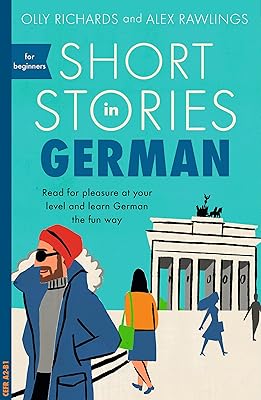
Short Stories in German for Beginners
Olly Richards
Learn German with 8 captivating stories. Perfect for A2-B1 learners who want to build vocabulary naturally.
Check Price on Amazon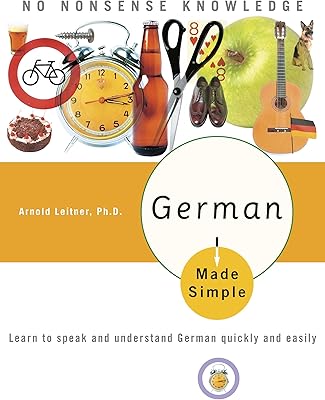
German Made Simple
Eugene Jackson
A complete beginner's guide covering grammar, vocabulary, and conversation essentials.
Check Price on Amazon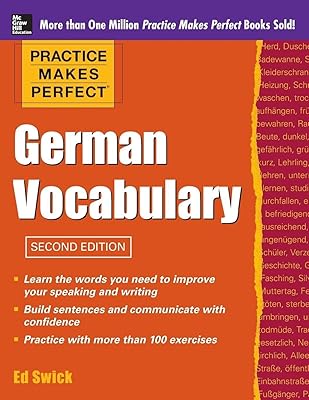
Practice Makes Perfect: German Vocabulary
Ed Swick
Targeted exercises and drills for mastering essential German words and phrases.
Check Price on AmazonAs an Amazon Associate, we earn from qualifying purchases.