French Verb Conjugation Made Simple: The 3 Groups Explained
By LangPodTools Editorial Team, Language Learning Content Specialist

You open a French textbook, find the verb "parler," and see six different endings for one simple verb. Then you flip the page and find "être," which doesn't follow any of those rules at all. If you've ever stared at a conjugation chart and felt your brain short-circuit, you're not alone — and you're definitely not doing it wrong.
Quick Answer: French verbs fall into three groups: regular -er verbs (like parler), regular -ir verbs (like finir), and irregular -re verbs plus true irregulars (like être, avoir, aller). Learn the -er pattern first since it covers about 90% of French verbs [1], then memorize the "Big Four" irregular verbs, since they appear in nearly every sentence you'll ever speak.
Why French Verb Conjugation Feels So Hard at First
The short answer: French conjugation is hard because one verb can have over 20 different forms, and irregular verbs break the pattern completely. Unlike English, where "talk" barely changes ("I talk," "she talks"), French verbs shift their endings based on who's doing the action and when it happened.
That's not bad luck. It's how Romance languages evolved from Latin, which had a highly complex verb system to begin with.
Here's the good news: French conjugation is actually more predictable than it looks. Most verbs follow one of three patterns, and once your brain locks onto the pattern, new verbs start feeling automatic.
- Regular -er verbs: the largest group, following one consistent pattern
- Regular -ir verbs: the second-largest group, with their own consistent pattern
- Regular -re verbs and irregulars: smaller in number, but they include the verbs you'll use constantly
Pro Tip: Don't try to memorize every tense at once. Master the present tense of all three groups first — it's the foundation every other tense builds on.
The Three French Verb Groups Explained
Every French verb belongs to one of three conjugation groups, and knowing the group tells you exactly which endings to use. This is the single most useful shortcut in French grammar.
Group 1: -ER Verbs (the easy 90%)
Verbs ending in -er (except aller) follow the most predictable pattern in French. Take parler (to speak): drop the -er, then add the group's endings.
| Pronoun | Ending | Example (parler) |
|---|---|---|
| je | -e | je parle |
| tu | -es | tu parles |
| il/elle/on | -e | il parle |
| nous | -ons | nous parlons |
| vous | -ez | vous parlez |
| ils/elles | -ent | ils parlent |
Group 2: -IR Verbs (the "-issons" family)
Verbs like finir (to finish) add an extra -iss- in the plural forms. So you get je finis, but nous finissons.
Group 3: -RE Verbs and Irregulars
This group includes regular -re verbs like vendre (to sell) plus every verb that refuses to follow the rules. This is where most learner frustration comes from, so we'll cover it in detail below.
The 4 Irregular Verbs You Must Memorize First
Learn être, avoir, aller, and faire before anything else — they show up in almost every French sentence. These four verbs are used so often that native speakers barely think about them, but they don't follow Group 1, 2, or 3 patterns at all.
- Être (to be): je suis, tu es, il est, nous sommes, vous êtes, ils sont
- Avoir (to have): j'ai, tu as, il a, nous avons, vous avez, ils ont
- Aller (to go): je vais, tu vas, il va, nous allons, vous allez, ils vont
- Faire (to do/make): je fais, tu fais, il fait, nous faisons, vous faites, ils font
Here's why these four matter so much. Avoir and être are the "helper verbs" for almost every past tense in French [2]. If you don't know them cold, you can't form the passé composé — the tense you'll use to talk about anything that already happened.
We recommend Bescherelle La Conjugaison Pour Tous for this stage. It's the same reference book French schoolchildren use, and it lists every conjugation pattern in one place.
French Verb Endings by Tense: A Quick Reference
The tense you need depends on when the action happens, and each tense has its own set of endings layered onto the verb stem. Here's how the four most common tenses compare for a regular -er verb.
| Tense | Used For | Example (parler, "il" form) |
|---|---|---|
| Présent | Now, habits, general facts | il parle |
| Passé composé | Completed past actions | il a parlé |
| Imparfait | Ongoing/repeated past actions | il parlait |
| Futur simple | Future plans and predictions | il parlera |
Pro Tip: The passé composé and imparfait trip up more learners than any other pair of tenses. A rough rule: use passé composé for a single finished event, and imparfait for background description or repeated habits.
Grammar resources at Tex's French Grammar (UT Austin) break down each tense with audio examples, which helps if you're a podcast-first learner who wants to hear the sounds, not just read the charts.
For a workbook that drills this exact distinction, Practice Makes Perfect: Complete French Verb Tenses offers hundreds of fill-in exercises organized by tense.
How to Conjugate Any French Verb: A Step-by-Step Method
Follow four steps every time you meet a new verb, and conjugation stops feeling random. This method works for regular verbs and gets you close enough on irregulars to guess correctly most of the time.
- Identify the infinitive ending — is it -er, -ir, or -re?
- Find the stem — remove the ending (parler → parl-)
- Match the pronoun to its ending — je, tu, il/elle, nous, vous, ils/elles
- Check if it's irregular — if the verb feels "too common," double-check it against a reference
We recommend 501 French Verbs by Barron's for this step, since it lists full conjugations with side-by-side English translations for the 501 most-used verbs.
Get started with a daily 10-minute drill: pick one verb, write out all six present-tense forms, then say them out loud. Repetition, not memorization tricks, is what actually builds fluency [3].
Common Mistakes Beginners Make with French Verbs
The most common mistake is applying -er verb endings to every verb, even irregular ones — and it happens because -er verbs are taught first. Here are the errors that show up most often in beginner and intermediate speech.
- Mixing up être and avoir as helper verbs in the passé composé (most verbs use avoir, but movement verbs like aller and venir use être)
- Forgetting agreement with être verbs — "elle est allée," not "elle est allé"
- Overusing the present tense for past events, since English speakers often default to it
- Confusing similar-sounding forms, like je finis (I finish) and ils finissent (they finish)
Pro Tip: Say your verb forms out loud, not just in your head. Many conjugation mistakes disappear once your ear gets used to the correct rhythm — this is where podcast-based learning genuinely outperforms flashcards alone.
If you're building your ear for correct pronunciation and rhythm, pairing conjugation drills with native audio helps. Our guide on advanced-level language podcasts explains how to use native content even before you're fully advanced.
Passé Composé vs. Imparfait: Which Should You Use?
Passé composé is for finished, one-time actions; imparfait is for ongoing states, habits, or background scenery in the past. This is the single most-asked conjugation question among A2-B1 learners, according to keeper community forums and French teacher Q&As.
| Feature | Passé Composé | Imparfait | Best For |
|---|---|---|---|
| Type of action | Completed, one-time | Repeated or ongoing | Storytelling |
| Formation | Helper verb + past participle | Stem + imparfait endings | Grammar accuracy |
| Example | J'ai mangé (I ate) | Je mangeais (I was eating / used to eat) | Context-dependent |
| Common trigger words | soudain, hier, un jour | tous les jours, souvent, quand j'étais | Spotting which to use |
Bottom line: if you can put "once" or "then" in front of the sentence in English, use passé composé. If it sounds like "used to" or "was doing," reach for imparfait.
Best Tools and Podcasts for Practicing Conjugation
Apps and audio drills work best when they force you to produce the verb form yourself, not just recognize it. As of July 2026, most language apps have added AI-based speaking practice, which is a major upgrade for conjugation drilling specifically.
Check out our guide to pairing structured grammar study with immersive listening — verbs stick faster when you hear them in context, not just on a chart. Between formal grammar work, use greetings and small talk to practice live: our French greetings guide is a good low-pressure way to use present-tense verbs in real sentences.
For portable, screen-free drilling, French Verb Conjugation Flash Cards work well on a commute or during podcast pauses. (Estimates only — actual prices on Amazon may vary, typically $10–$20 for a full deck.)
If audio-first learning suits you better, Assimil French with Ease builds conjugation intuition through listen-and-repeat dialogues rather than isolated charts.
Pro Tip: Learning German instead? The logic of memorizing "helper verb" patterns transfers directly — check our German separable verbs guide for a similar structural breakdown.
As of 2026, the ACTFL proficiency guidelines still list accurate present-tense conjugation as a core benchmark for reaching A2-level speaking proficiency, so this is genuinely foundational work, not busywork.
Frequently Asked Questions
What are the 20 verbs in French you should learn first?▾
What is the hardest tense to learn in French?▾
What are the 21 verb forms in French?▾
How do you conjugate verbs in French?▾
Do French verb endings change based on gender?▾
Is it better to learn conjugation through apps or a physical verb book?▾
Recommended French Books
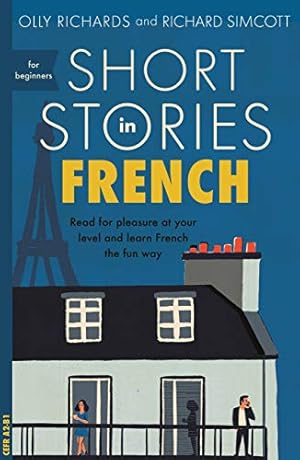
Short Stories in French for Beginners
Olly Richards
Learn French with 8 captivating stories. Perfect for A2-B1 learners who want to build vocabulary naturally through reading.
Check Price on Amazon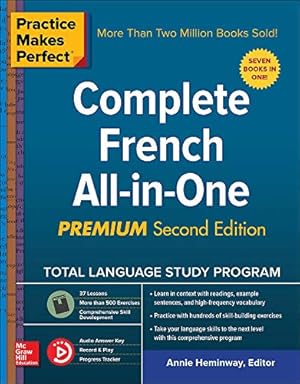
Practice Makes Perfect: Complete French All-in-One
Annie Heminway
Comprehensive grammar, vocabulary, and practice exercises in one volume. Covers all levels from beginner to advanced.
Check Price on Amazon
Bescherelle Complete Guide to Conjugating
Bescherelle
The definitive French verb conjugation reference. 12,000 verbs with all tenses and moods — indispensable for serious learners.
Check Price on AmazonAs an Amazon Associate, we earn from qualifying purchases.