How to Say I Love You in German: Ich Liebe Dich
By LangPodTools Editorial Team, Language Learning Content Specialist

You've been texting someone in German for weeks, and tonight feels like the night. You want to type "I love you" — but "Ich liebe dich" suddenly feels too big, too soon, or maybe not the right phrase at all. Here's the good news: German gives you more than one option, and each one sends a slightly different signal.
Quick Answer: The standard way to say "I love you" in German is "Ich liebe dich" (pronounced ish LEE-buh dish), used for romantic partners. For close friends and family, Germans use the softer "Ich hab dich lieb" instead — using "Ich liebe dich" outside a relationship can feel intense or even confusing.
What Does "Ich Liebe Dich" Really Mean?
"Ich liebe dich" is the direct German translation of "I love you," and it's reserved almost exclusively for romantic partners. Germans don't say it casually to acquaintances or coworkers. It's a phrase with weight, similar to how English speakers treat "I love you" versus "I like you a lot."
Breaking it down word by word makes it easy to remember:
- Ich — "I"
- Liebe — "love" (from the verb lieben)
- Dich — "you" (informal, accusative case)
German is spoken by more than 90 million native speakers across Europe 1, and this exact phrase shows up in nearly every regional dialect with the same core meaning. For a deeper breakdown of romantic vocabulary, our guide on how to say "I love you" in German covers even more phrases side by side.
Pro Tip: If you're unsure whether a relationship is "Ich liebe dich" serious yet, it usually isn't. Germans tend to say it later than English speakers do.
How to Pronounce "Ich Liebe Dich" Like a Native
The trickiest part of this phrase is the "ch" sound in "ich" and "dich," not the words themselves. It's a soft, breathy sound made at the back of the throat — think of clearing your throat gently, not a hard "k" sound.
Here's the phrase broken into syllables you can practice out loud:
| German | Phonetic Guide | Sounds Like |
|---|---|---|
| Ich | ish | soft "ish," not "ick" |
| liebe | LEE-buh | rhymes with "free-uh" |
| dich | dish | soft "ch," not "dick" |
German pronunciation follows fairly consistent rules once you learn the sound patterns 2. That consistency is actually good news for learners — unlike English, German rarely surprises you with silent letters. We recommend Pimsleur German Level 1 if you want to build natural pronunciation through audio repetition instead of reading rules off a page.
"Ich Liebe Dich" vs. "Ich Hab Dich Lieb"
"Ich liebe dich" is for romantic love; "Ich hab dich lieb" is for warm, platonic affection. Mixing these up is one of the most common — and most awkward — mistakes English speakers make in German.
| Feature | Ich liebe dich | Ich hab dich lieb |
|---|---|---|
| Intensity | High — romantic love | Medium — warm affection |
| Best used for | Partners, spouses | Friends, family, kids |
| Risk of sounding "too soon" | High | Low |
| Common in texting | Yes, once serious | Yes, very common |
Bottom line: if you're not sure yet, "Ich hab dich lieb" is the safer choice. It still communicates real care without the romantic weight. If you'd like a closer look at why these two phrases confuse so many learners, see our comparison of Ich Liebe Dich vs. Deutschland.
How to Say I Love You to a Guy, a Girl, or a Group
The pronoun doesn't change based on gender — "dich" works for anyone you're speaking to informally. This surprises a lot of English speakers who expect gendered pronouns like in French or Spanish.
Here's how the phrase shifts depending on who's listening:
- One person, informal: Ich liebe dich — used for partners, regardless of gender
- One person, formal (rare and unusual romantically): Ich liebe Sie
- Multiple people: Ich liebe euch — "I love you all"
So whether you're asking how to say "I love you" in German to a guy or to a girl, the phrase is identical. The gender of the person doesn't matter here — only their relationship to you does.
Pro Tip: Never use the formal "Sie" with a romantic partner. It sounds cold, like you're speaking to a stranger.
Romantic and Flirty German Phrases Beyond "Ich Liebe Dich"
German has an entire vocabulary of affection that lives comfortably below "I love you." These phrases are perfect for early dating, texting, or when you want to express interest without the pressure of the big phrase.
| German Phrase | English Meaning | When to Use |
|---|---|---|
| Du gefällst mir | I like you / I fancy you | Early dating, casual interest |
| Ich mag dich sehr | I like you a lot | Building up before "love" |
| Ich hab mich in dich verliebt | I've fallen in love with you | Announcing new feelings |
| Du bist mein Ein und Alles | You are my everything | Deep, committed relationships |
| Ich vermisse dich | I miss you | Long-distance or after time apart |
For more everyday vocabulary you can drop into conversation, check out 50 Common German Phrases for Everyday Conversations. Keeping a pocket reference nearby helps too — the Lonely Planet German Phrasebook & Dictionary is small enough to check mid-conversation without breaking the flow.
Common Mistakes English Speakers Make
The biggest mistake is saying "Ich liebe dich" too early or too casually — it lands much harder in German than "I love you" does in English. German culture treats the phrase as a genuine milestone, not small talk.
Watch out for these common errors:
- Overusing the phrase: Saying it to friends makes it sound intensely romantic and confusing.
- Confusing "dich" and "dir": "Dich" is correct here (accusative); "dir" is used in different grammar contexts.
- Sticking with formal "Sie": Feels distant and cold with a partner.
- Hardening the "ch" sound: Pronouncing it like "ick" instead of the soft throat sound instantly signals a non-native accent.
Pro Tip: If texting, Germans often shorten affectionate phrases the same way English speakers use "ILY." Don't be surprised to see "Hdl" — shorthand for "Hab dich lieb."
How to Practice with Podcasts and Apps
Pronunciation sticks best when you hear the phrase repeated in context, which is exactly what podcasts and audio apps are built for. As of August 2026, podcast-based self-study has become one of the most popular ways for A1–B2 learners to build natural speaking rhythm without a classroom.
A few practice methods worth building into your routine:
- Shadowing: Repeat phrases out loud immediately after hearing them in a podcast episode.
- Spaced repetition: Review flashcards at increasing intervals so vocabulary sticks long-term.
- Daily listening: Even 10 minutes a day builds pronunciation muscle memory faster than cramming.
We recommend Pimsleur German Level 1 for structured audio lessons, paired with Fluent Forever by Gabriel Wyner for building your own spaced-repetition system around new phrases. If you'd rather learn through storytelling, 25 Best German Movies for Language Learners is a solid next stop once you're comfortable with basics like "Ich liebe dich." For grammar reference while you practice, 501 German Verbs (Barron's) clarifies how lieben conjugates across tenses.
Browse our complete collection of romantic German phrases below to keep building your vocabulary beyond this one phrase.
Final Thoughts
"Ich liebe dich" is simple to learn but easy to misuse if you don't understand its weight in German culture. Stick with "Ich hab dich lieb" for friends and family, save "Ich liebe dich" for genuine romantic moments, and practice the soft "ch" sound until it feels natural. Pairing a podcast routine with a solid phrasebook is the fastest way to sound confident instead of textbook-stiff.
Sources
Frequently Asked Questions
How do Germans say "I love you"?▾
Is "Ich liebe dich" correct?▾
What's the most romantic thing to say in German?▾
How do you flirt in German over text?▾
How do you say "I love you" platonically in German?▾
How do you say "I like you" in German?▾
How do you say "we love you" in German?▾
Recommended Study Material
The Complete German Grammar Cheat Sheet
A1–B2 Reference PDF
27 pages of color-coded tables, mnemonics, and shortcuts — every rule you need from Cases to Subjunctive.
Recommended German Books

Short Stories in German for Beginners
Olly Richards
Learn German with 8 captivating stories. Perfect for A2-B1 learners who want to build vocabulary naturally.
Check Price on Amazon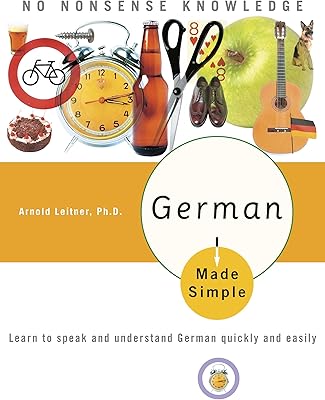
German Made Simple
Eugene Jackson
A complete beginner's guide covering grammar, vocabulary, and conversation essentials.
Check Price on Amazon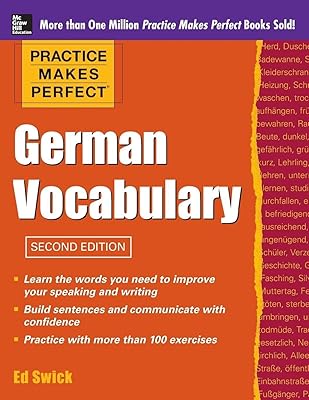
Practice Makes Perfect: German Vocabulary
Ed Swick
Targeted exercises and drills for mastering essential German words and phrases.
Check Price on AmazonAs an Amazon Associate, we earn from qualifying purchases.